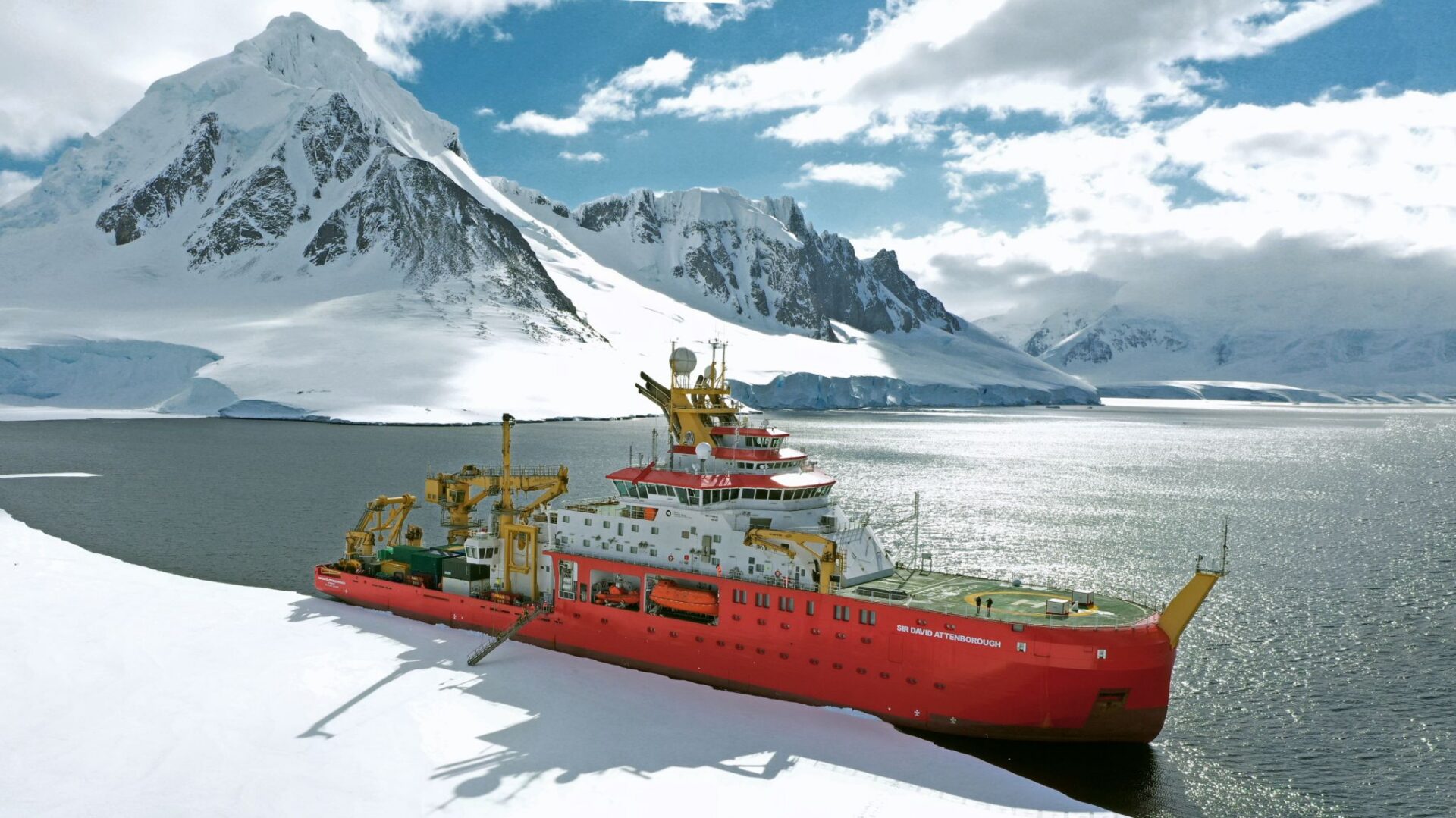
For decades, repainting has been accepted as a normal part of ship maintenance. A coating is applied, it performs for a number of years and, once it has deteriorated sufficiently, large areas are prepared and coated again.
But does a marine coating necessarily have to be treated as a consumable?
Not if the right coating is chosen from the start.
A repair-based maintenance strategy is only possible when the coating itself is designed to remain firmly attached, retain its protective properties and accept local repairs over the long term. Many conventional coating systems do not meet those requirements. Some gradually wear or deplete as part of their function, while others eventually deteriorate to the point where large-scale preparation and recoating become unavoidable.
The choice between repeated replacement and long-term repair therefore begins when the coating system is selected.
The conventional coating cycle
Marine coatings operate in a demanding environment. They are exposed to seawater, abrasion, impact, fouling, cleaning and, in some applications, severe cavitation or ice abrasion. Damage can also occur during normal vessel operations or as a result of hot work carried out on the hull.
With many conventional coating systems, maintenance involves more than repairing isolated damage. Ageing or depleted layers need to be renewed, and considerable areas may require surface preparation and recoating during drydock.
This means coating maintenance becomes a recurring cycle of repair, replacement of topcoat and eventually replacement of the entire coating scheme.
Breaking that cycle requires more than simply deciding to repair instead of repaint. It requires a coating capable of remaining in service long enough for that approach to work.
Repair what is damaged, retain what is sound
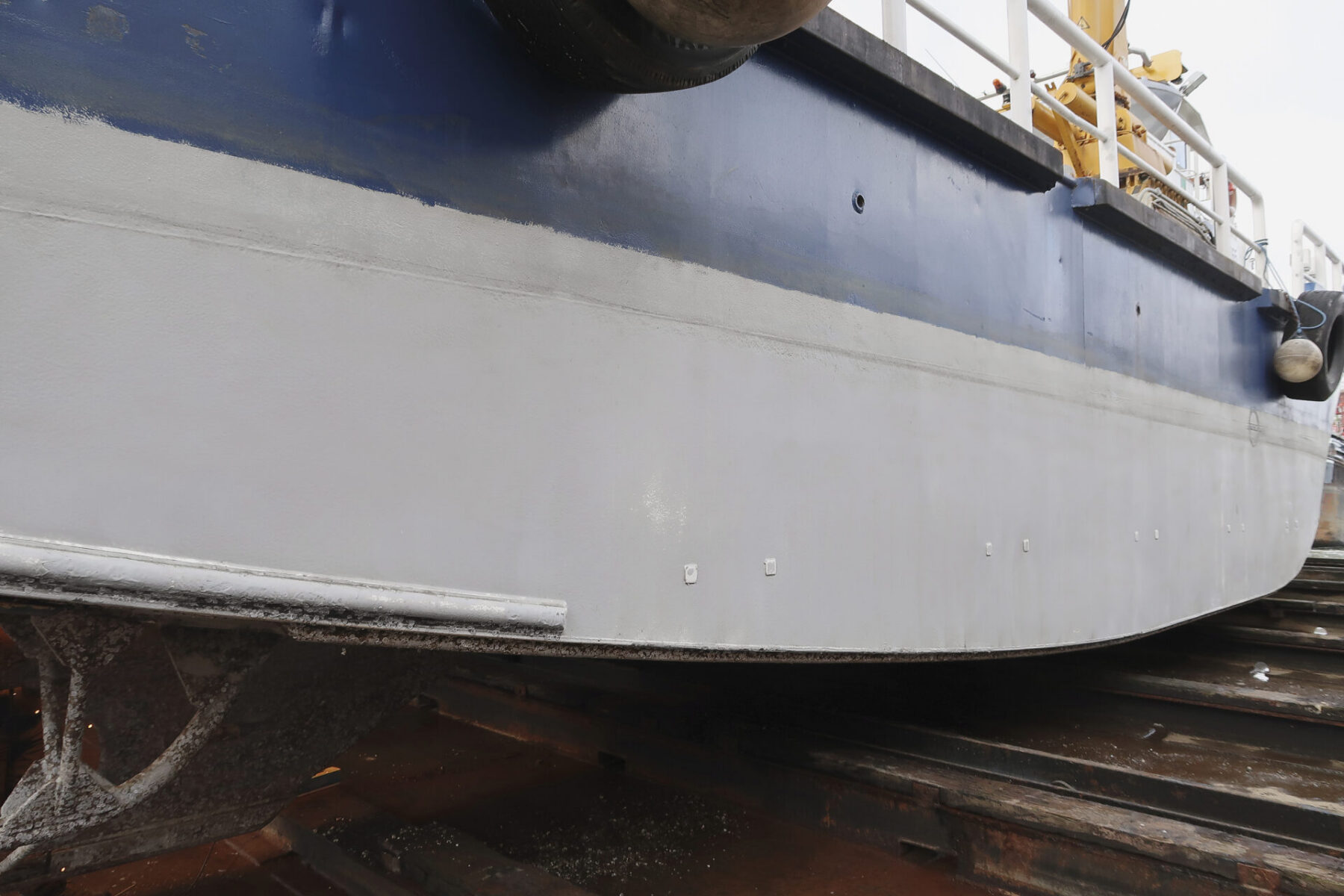
A repair-based maintenance philosophy focuses instead on the actual condition of the coating. Areas that remain intact stay in place. Where mechanical damage has occurred, only those areas are prepared and recoated.
But this approach depends on the coating. If the surrounding material is wearing away, losing adhesion or reaching the end of its functional life, repairing individual damaged areas does not solve the underlying problem. Eventually, the larger coating system still has to be replaced.
This makes durability and repairability important considerations when selecting a marine coating. Alongside corrosion protection, application cost and expected performance, owners should ask: Will this coating remain on the vessel long enough to be maintained rather than replaced?
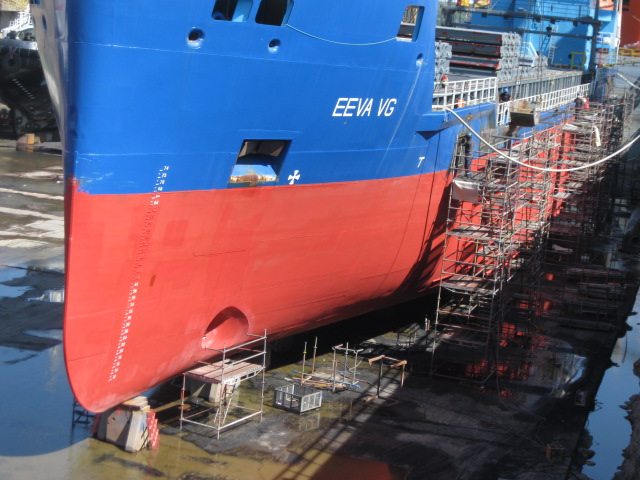
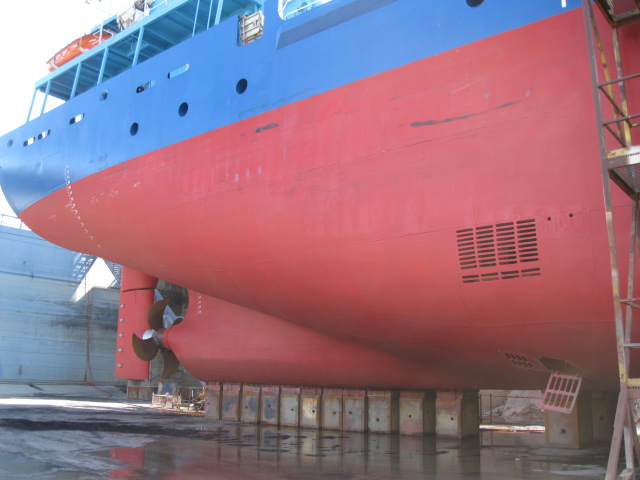
A different approach to drydock maintenance
When the answer is yes, the benefits during drydocking can be significant.
Extensive blasting, surface preparation and repainting require labour, coating material and valuable time in the dock. A durable coating that only requires minor repairs greatly reduces the labor and cost in drydock.
There is an important environmental consideration as well. Many conventional antifouling coatings contain biocides and other substances that are harmful to the marine environment. When these coatings are removed during blasting, scraping or cleaning, the resulting paint particles contain the same harmful substances. In practice, containment is not always effective and material can enter surrounding waterways.
Ecospeed is fundamentally different. It contains no biocides and does not leach toxic substances into the water. Even if the coating itself were to be removed, the resulting material would not present the same toxic contamination risk associated with conventional antifouling coatings. Its long service life also takes away the need for repeated coating replacement, meaning less paint consumption, less blasting and less waste over the vessel’s lifetime.
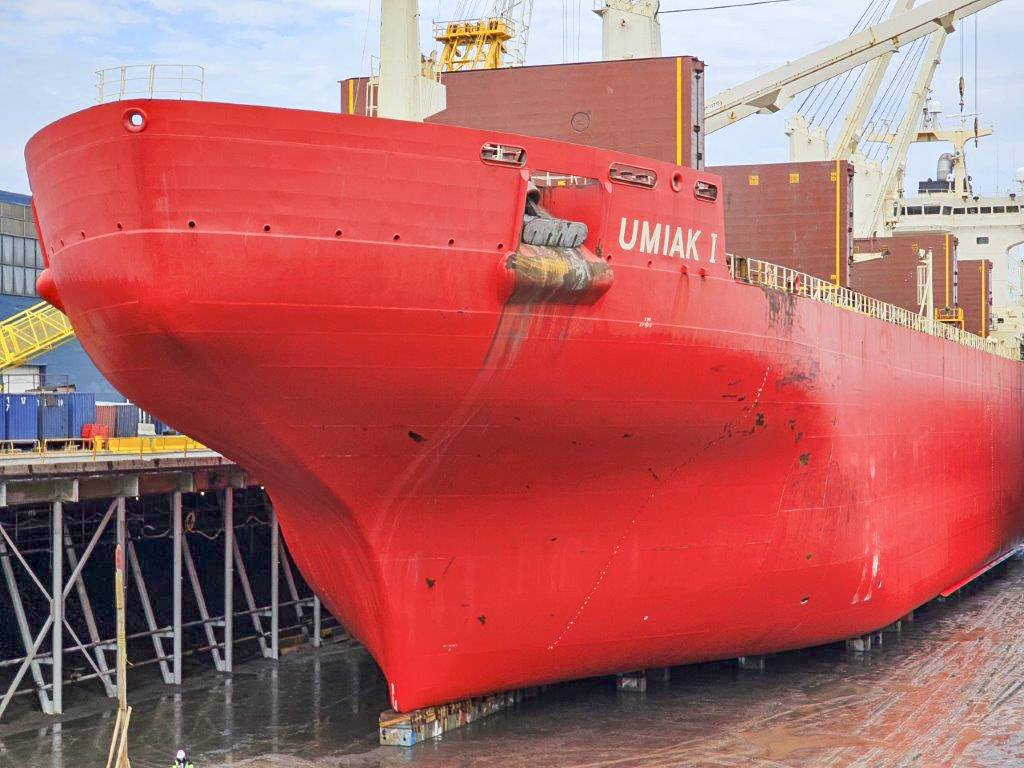
A coating designed to stay
Its durability and ease of repair are central to Ecospeed.
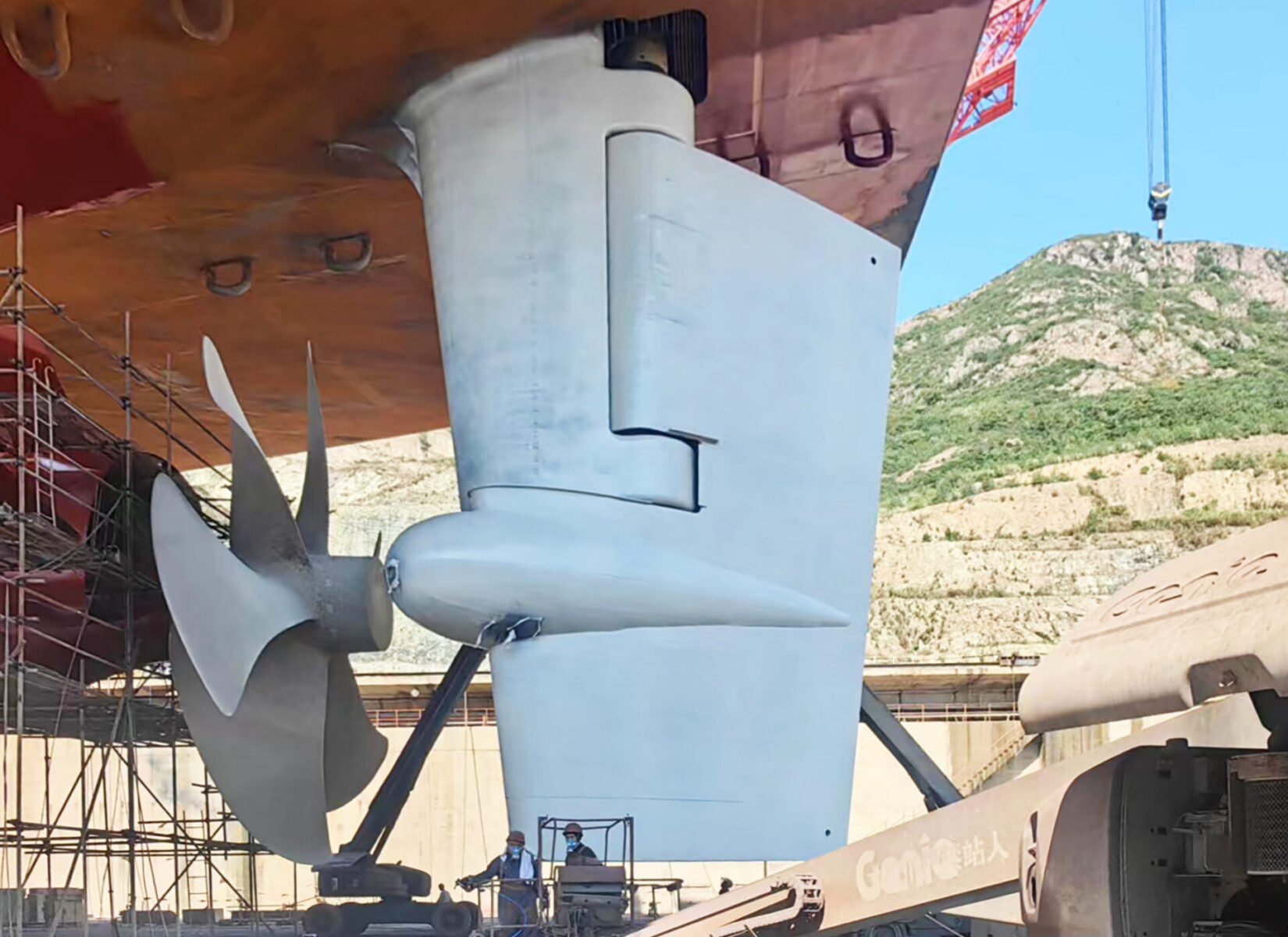
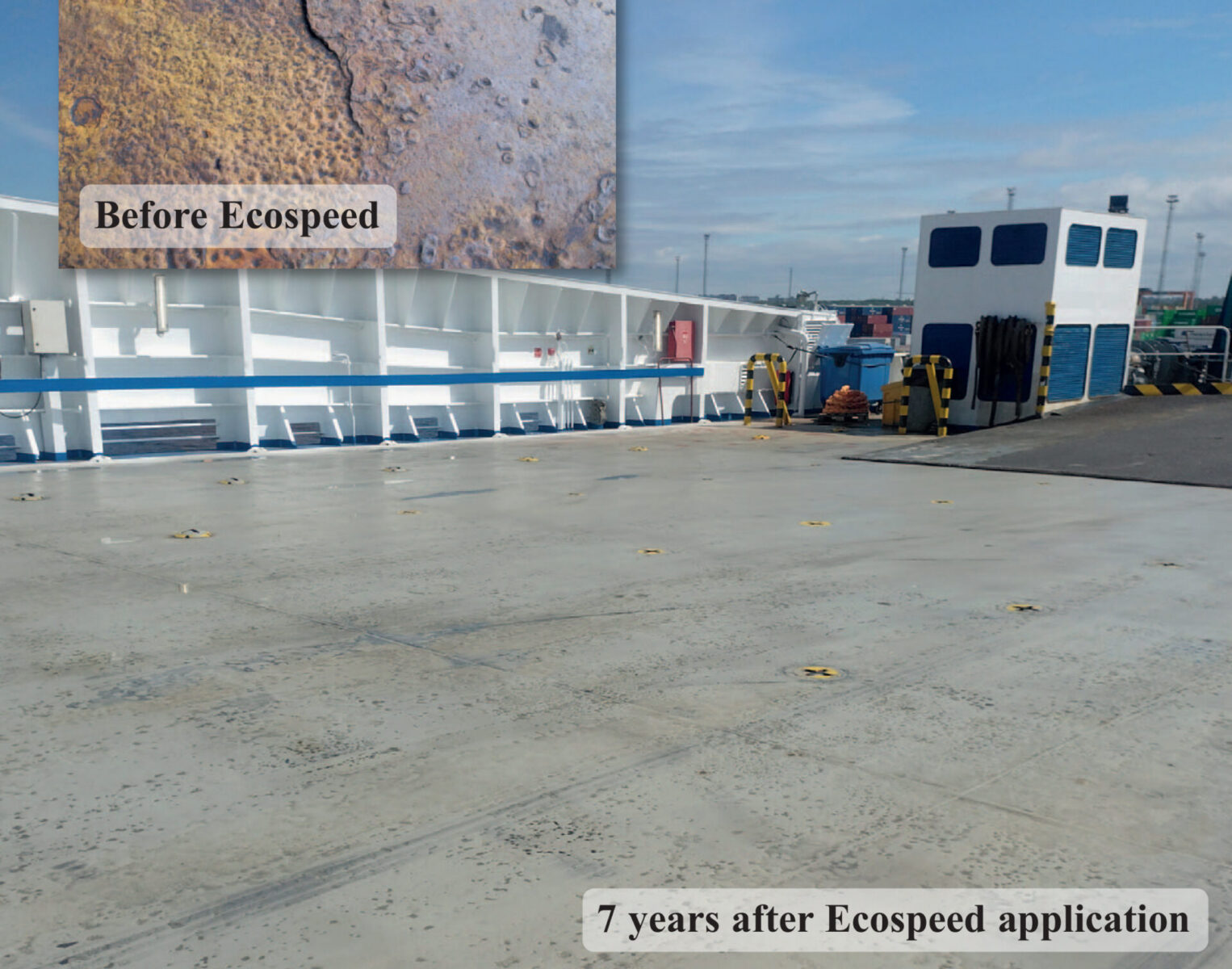
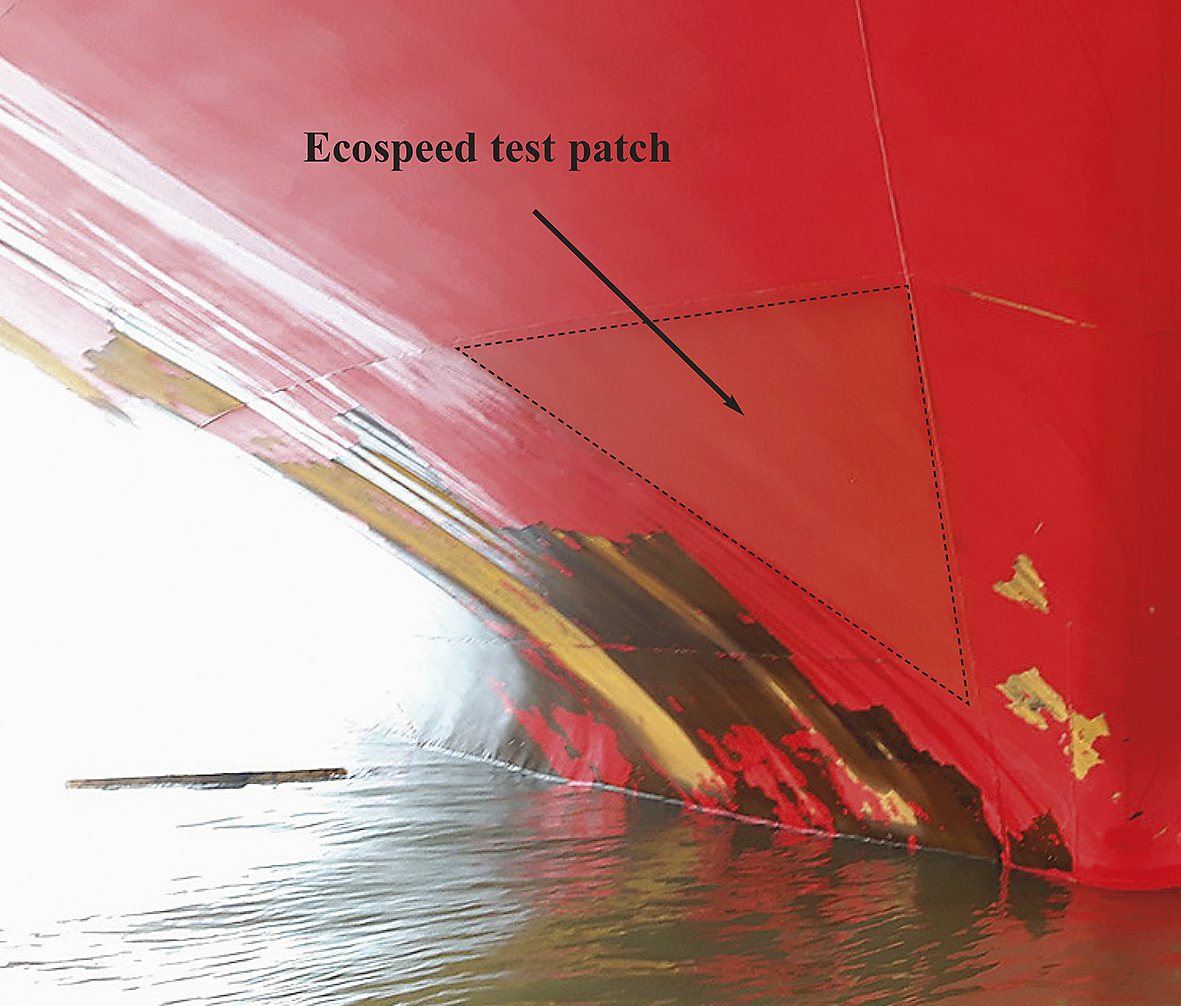
Ecospeed is applied in two layers as a homogeneous coating system and is designed to remain firmly attached rather than gradually being sacrificed or replaced. When mechanical damage does occur, the affected area can be prepared and new Ecospeed applied while the surrounding sound coating remains untouched.
The objective is therefore not to repaint the entire hull at regular intervals. The coating itself is intended to stay in place, with local repairs carried out only where necessary.
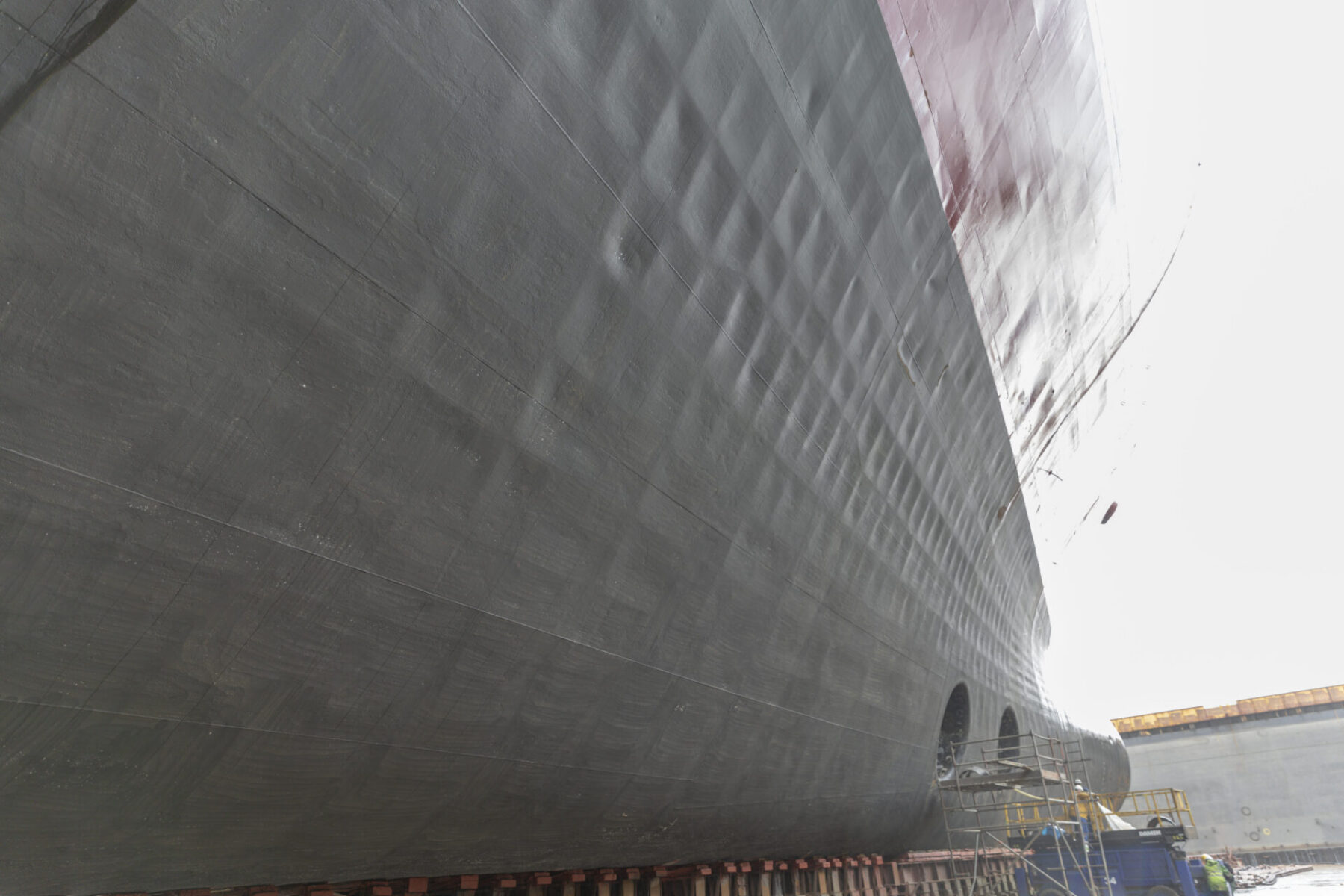
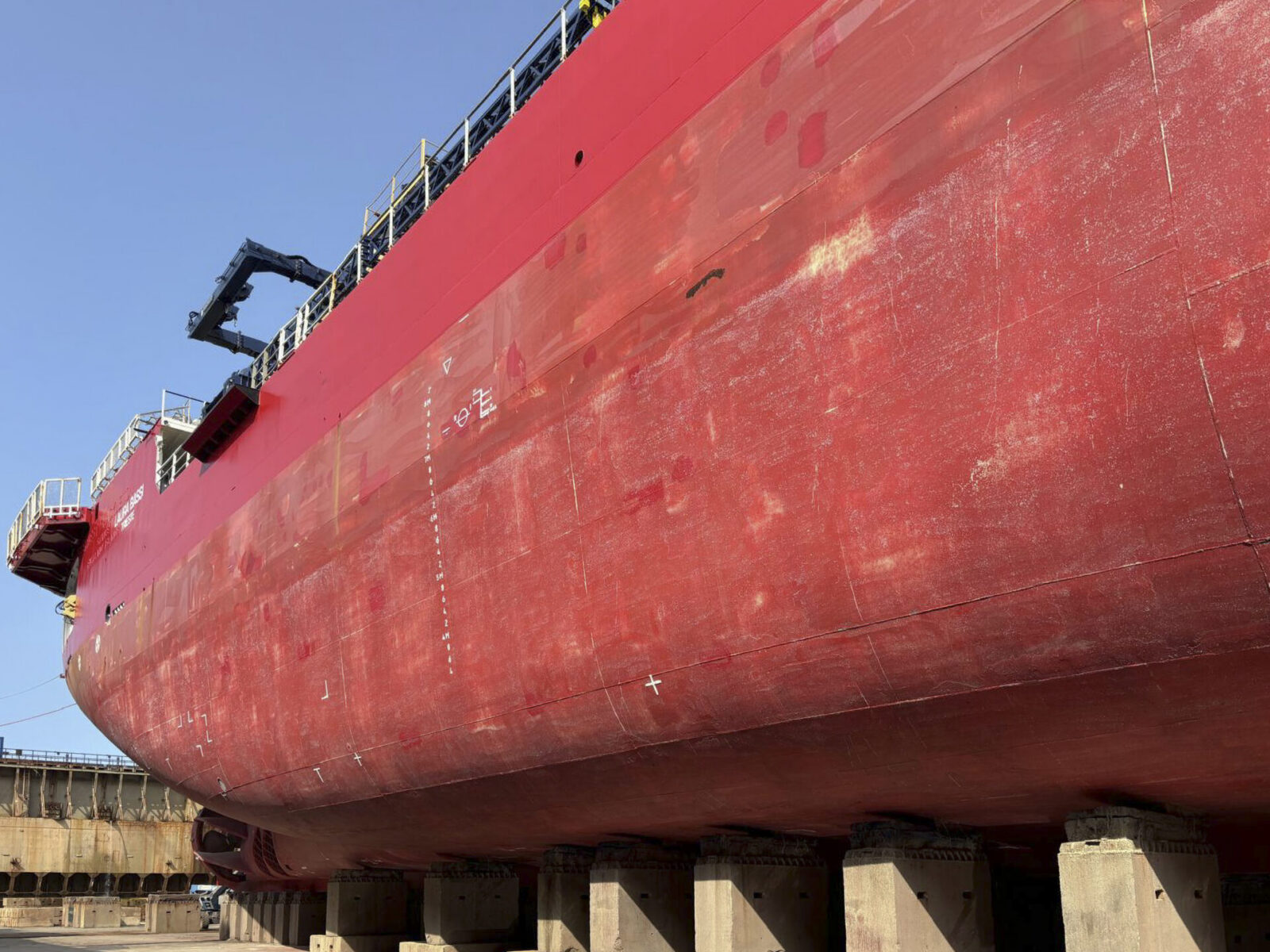
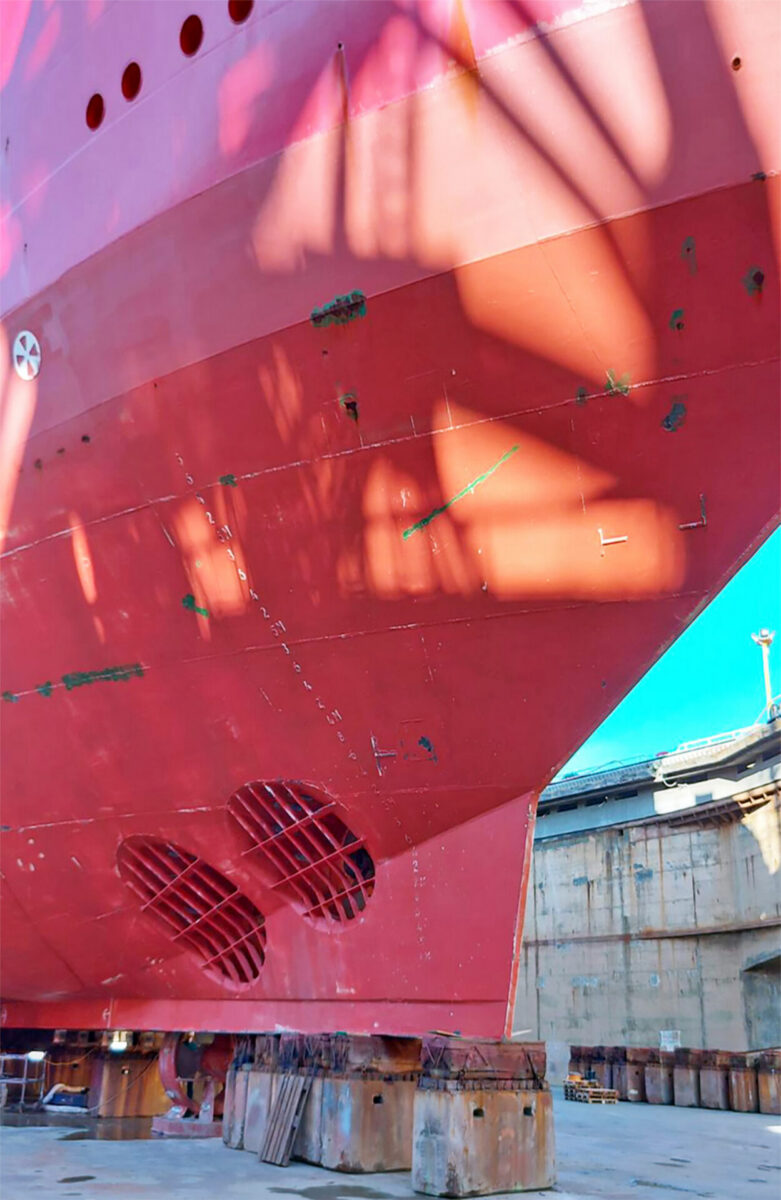
Long-term service experience illustrates the principle. On vessels operating in particularly demanding conditions, including ice-going ships, inspections have shown that Ecospeed stays on the hull and the minor mechanical damage which inevitably occurs is very easy to repair. In the case of the Antarctic research vessel, Laura Bassi, formerly the RRS Ernest Shackleton, for example, the original Ecospeed coating is still on the hull after 18 years. Mechanical damage has been very easy to repair.
Rethinking coating lifetime
The useful question is therefore not simply: How many years will this coating last before it needs repainting?
A better question is: What coating will last the life of the vessel without needing to be replaced?
For owners who want to move from repeated replacement to condition-based repair, that decision has to be made before the coating is applied. Choose a coating that is intended to stay on the vessel, and the maintenance philosophy can change with it.
Instead of repeatedly removing and replacing the coating, repair only what is damaged and allow the rest to keep doing its job.