There is a direct correlation between the coating chosen for a naval ship’s hull, rudders and running gear, decks, tanks and other surfaces, and that ship’s readiness for action. It is vital to choose the right coatings for protection and performance of the ships that are being counted on for national defense.
Enemies of the Fleet
- Hull roughness
A rough hull is a serious strategic and tactical handicap in any ship operations, impairing a ship’s speed and maneuverability, increasing fuel consumption, and reducing the ship’s range.
There are two usual causes for a rough ship hull: paint, and biofouling.
Paint
Inferior paints degrade over time so that even if smooth when first applied, they become rougher in service. Antifouling paints are designed to wear away as they leach their biocidal content in an effort to deter marine fouling from settling on the hull. The coating is self-sacrificing.
These coatings are usually repaired in drydock and a fresh topcoat of antifouling is applied. The results can be a very rough hull.
The chart below shows the increase in hull roughness as the ship ages. It is from Advances in marine antifouling coatings and technology by Torben Munk and Daniel Kane.

Biofouling
As soon as a ship or other object is placed in the water, especially salt water, it begins to attract marine fouling, first developing a slime layer, followed by algae and then barnacles and other calcareous fouling which continues to increase.
This biofouling progressively increases the hull’s friction in the water, resulting in reduced speed for the same engine power/revs, increased fuel consumption, decreased range and a more sluggish ship which is harder to maneuver. The so-called “fuel penalty” can be very high. This relationship is shown in the table below.

Problem with existing hull coating systems in general use
Antifouling paints are supposed to prevent biofouling from accumulating during the entire drydocking interval of the ship. In practice they are usually unable to accomplish this. The hull fouls despite the toxic antifouling coatings, and in-water cleaning is needed to try to reduce drag.
However, these types of coatings are not suitable for in-water cleaning. Any attempt to do so seriously depletes and damages the remaining coating, and creates a pulse discharge of toxic substances causing short and long-term damage to the marine environment.
The coating surface is made rougher, and biofouling accumulates more rapidly after such cleaning.
Because of the environmental concerns, in-water cleaning of antifouling coatings is regulated and, in many ports and locations, completely forbidden.
- Corrosion
Corrosion is an electrochemical reaction which results in the wasting away of steel and other materials. The marine environment promotes corrosion heavily. This is a serious enemy to fleet readiness.
There are a number of forms and causes of corrosion in addition to the general corrosion commonly known as rust, which is perhaps the most visible.
Cavitation
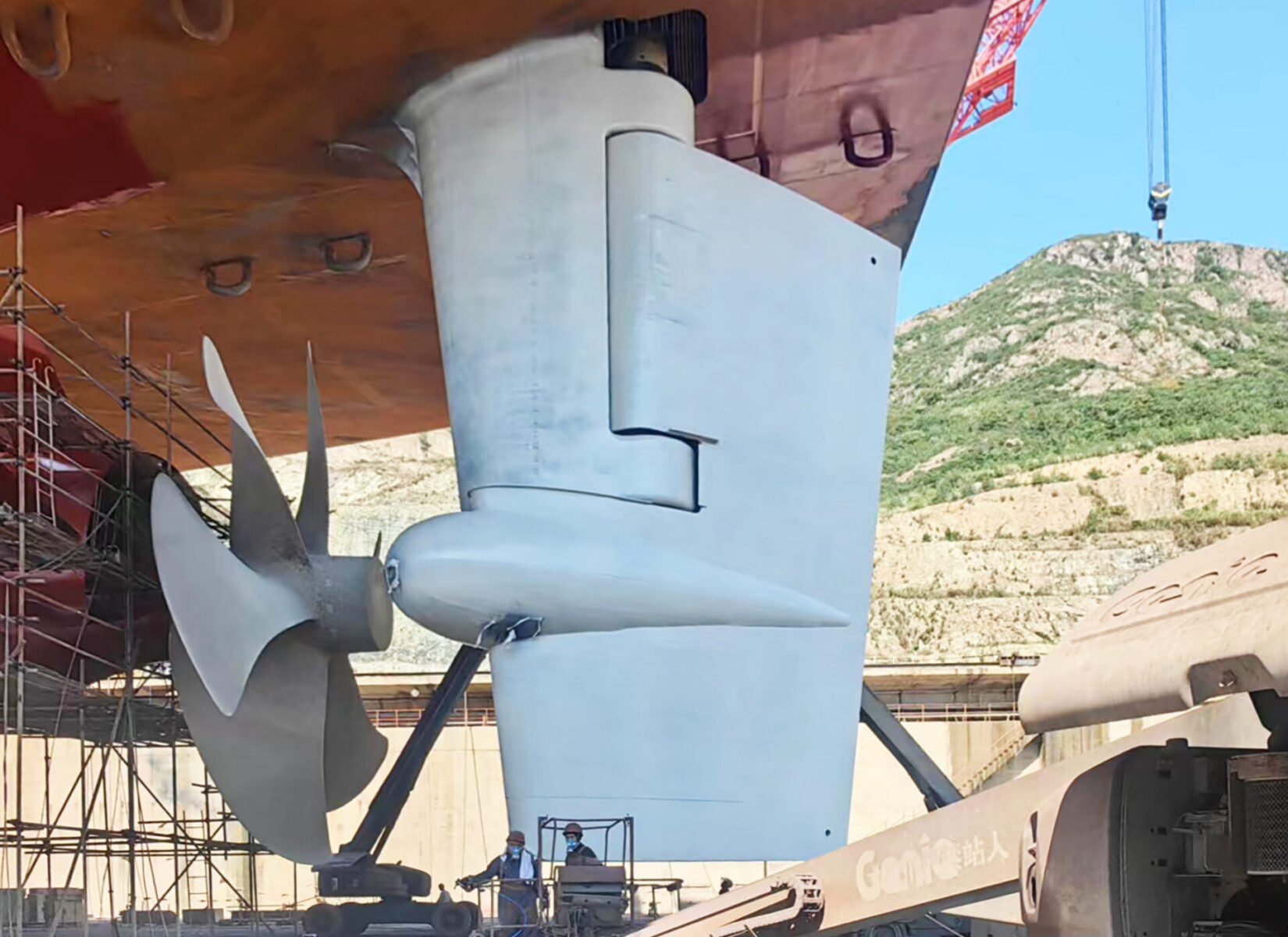
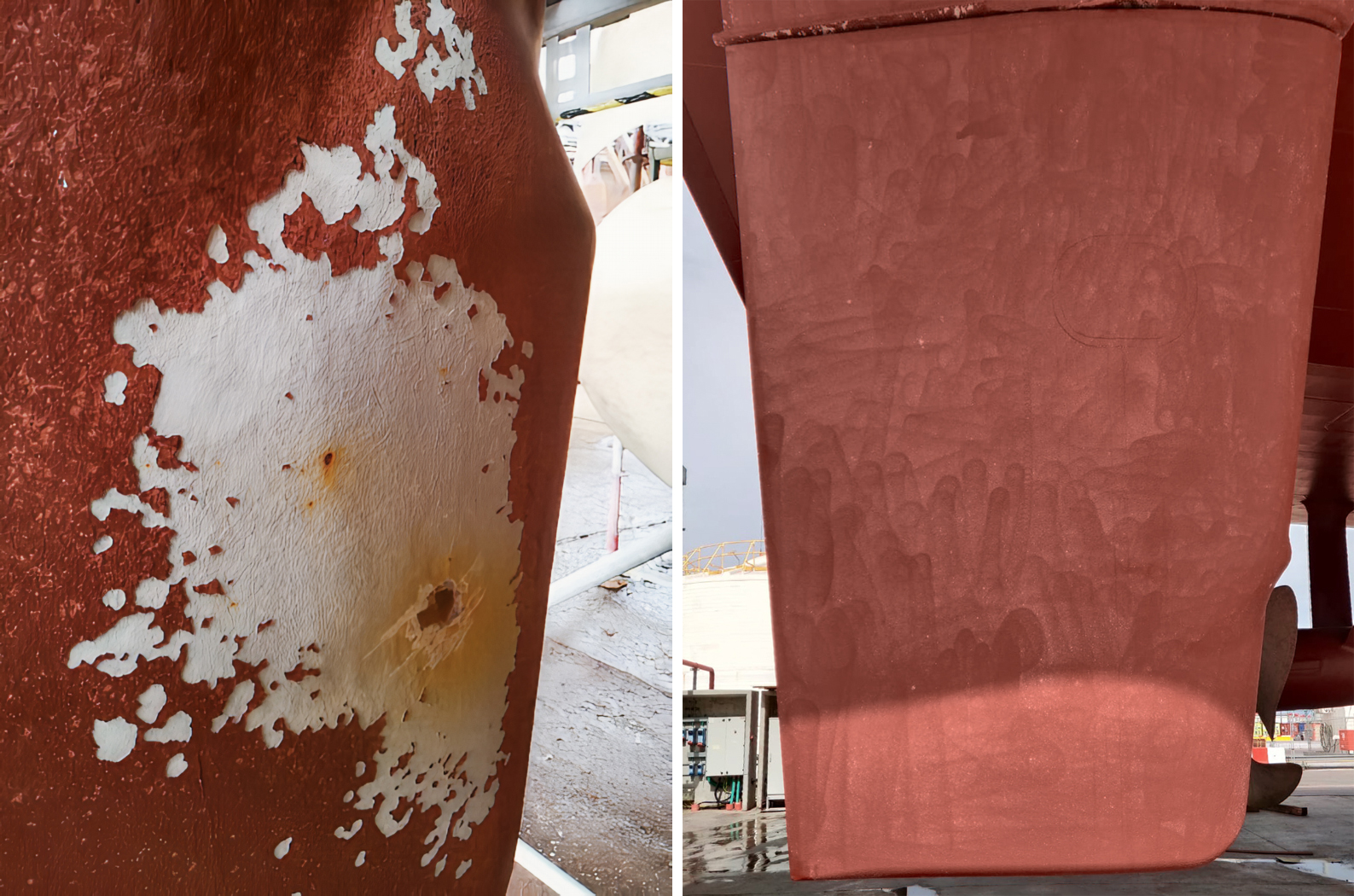
A special case of corrosion results from the damaging effects of cavitation, a phenomenon that accompanies turbulent fluids. It is particularly noticeable on rudders, inside thruster tunnels, on energy saving devices such as Kort nozzles, twisted fins, and on the propeller. Cavitation quickly destroys conventional antifouling hull coatings and exposes the steel to rapid erosion and corrosion.
Abrasion and wear
Ice, narrow locks, tugs, sand and gravel, floating debris and many other causes of abrasion and wear on a ship’s hull can remove the paint and expose the underlying steel to corrosion.
In the case of decks, heavy vehicle traffic can remove any protective coating and again expose the substrate to corrosion.
Chemicals
Tanks and pipes are particularly susceptible to the corrosive effects of chemicals such as the acidic effluent from scrubbers or the corrosive effect of sewage and even salt water. This can pose a threat to the ship’s integrity.

Defeating these enemies
There is a relatively simple solution to all of these corrosion and performance related problems. While many approaches have been tried, the one that has proved successful in all cases where it has been applied is simply the use of the correct coating – one which is tough and durable enough to prevent all forms of corrosion listed above, and which is not harmful to the marine environment. Such a coating (for example, our Ecospeed family of coatings) can be cleaned in or out of the water whenever needed without damaging the coating itself or the marine environment. Not only is protection provided, hull performance is also greatly improved.
Our family of coatings are glass-platelet reinforced vinyl esters that are also highly resistant to most chemicals, including the acids in scrubber effluents and the contents of sewage and other tanks as well as salt water. It is also highly abrasion resistant and has been classified as ice-abrasion resistant Polar Code (PC) 1 – 7. And it has even been found suitable by class for use in lieu of cathodic protection (sacrificial anodes or ICCP).
Thousands of applications attest to its effectiveness in all these regards.
A major cruise line found that it was able to save 10% of its fuel consumption with Ecospeed compared to the antifouling paint system it had been using before.

New Navy corvettes were having very severe cavitation problems with their rudders. This was solved by the use of Ecoshield.
Container ships which used to suffer severe cavitation damage to their rudders and thruster tunnels, found these problems solved when Ecoshield was applied.
Container ship scrubber recycle tanks that previously would be almost completely eaten away from one drydocking to the next, remained in excellent condition when Ecospeed was applied.
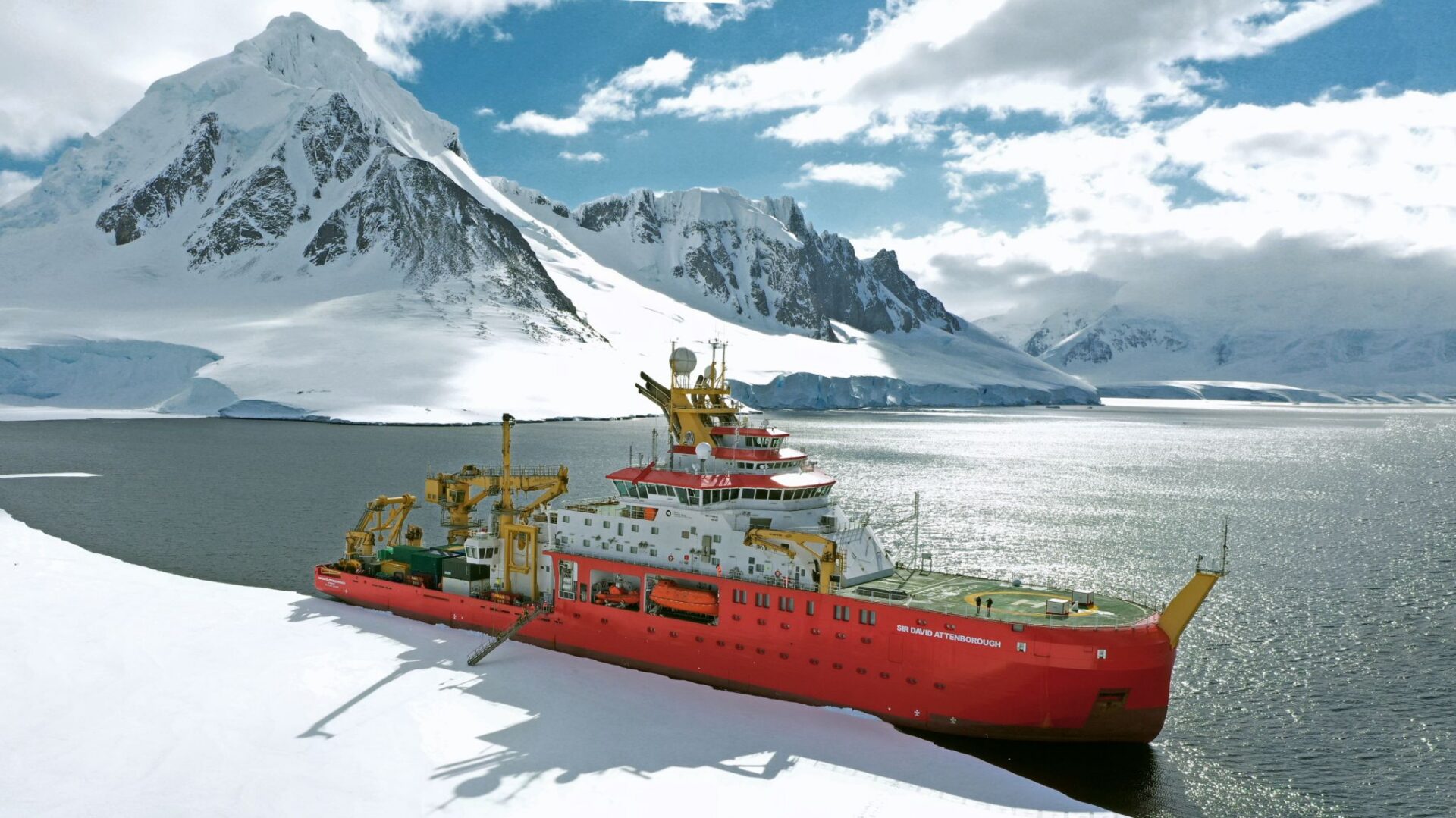
Several Antarctic research and supply icebreakers found that where previously they had to repaint their ships every year, Ecospeed remained intact year after year (16 years and counting in one case) without the need for recoating in drydock.

Six mine hunters were coated with Ecospeed and did not need repainting for the remainder of their service life.
A ro-pax ferry was in danger of being declassified due to the heavy corrosion and pitting on the main vehicle deck. Ecospeed was applied and four years later the ferry was still in business with a well-protected deck.
The Ecospeed family of coatings has been shown over and over again to provide complete protection against corrosion while at the same time lending itself to excellent fuel efficiency, abrasion and chemical resistance, and longevity.
Major contribution to fleet readiness
The use of the correct coating for ships’ hulls, rudders, running gear and tanks, solves the problems of corrosion and hull performance and can contribute greatly to fleet readiness and tactical capability.